
The global live music market is estimated to be worth around $54.5bn with projected growth to $72.4bn by 2031 [Mordor Intelligence]. Yet the workforce behind these shows remains deeply casualised. In the UK, almost four in five live music jobs are freelance or otherwise non-permanent, making responsibility for workplace health and welfare complex.
For many freelance touring professionals, there’s no sick or holiday pay and no workplace pension. There’s also no financial safety net should they experience a family crisis, serious illness or personal loss. If they must leave a tour, their income is likely to end there. That can be further compounded by the absence of an HR department to turn to if someone is struggling, or when conflict develops.
And yet, as any touring professional will tell you, there’s no better place to be than on a well-resourced tour, led by people who respect their teams and give them what they need to fulfil their roles. By the same token, there are few worse work environments than a tour where those resources are lacking.
Traditionally, the male-dominated, backstage workforce culture has been one of ‘powering through’, to get the job done. While shows have become more complex, and touring professional roles more specialised, sadly working conditions have not modernised at the same pace. More recently, research has given the industry a clearer picture of tour stress, recognising the demands of constant travel, disrupted sleep, long hours and limited recovery.
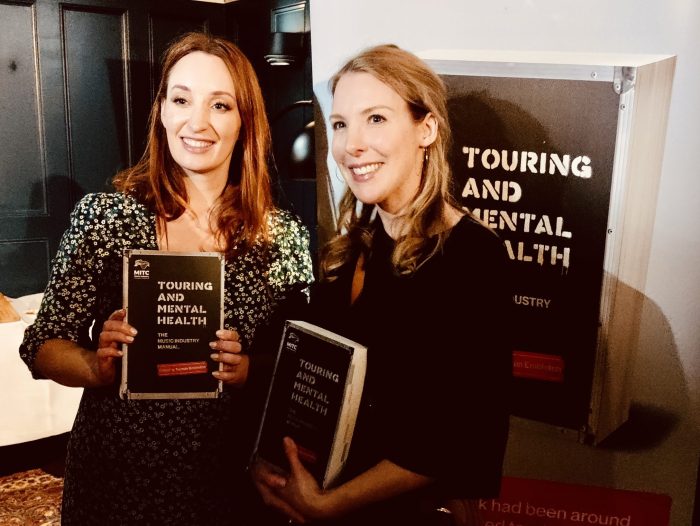
The Tour Health Research Initiative (THRIV) surveyed more than 1,100 international touring artists and crew. Its research identified elevated levels of stress, anxiety, burnout, risk for clinical depression and suicidality among that cohort. “The culture created on tours can influence how comfortable people feel seeking support,” commented Tamsin Embleton, Psychotherapist and Founder of the MITC.
“If a tour has an ‘if you can’t stand the heat, get out of the kitchen’ vibe, people may be less likely to speak up when they’re struggling. Things can get worse when they’re ignored. As clinicians, we know the value of early intervention. People are more likely to seek help when stigma is low, access is easy and there’s a supportive environment.”
Thankfully, a handful of major tours now proactively embed welfare positions on the road. “One thing that I’ve been encouraged by is meeting artists who are considering the duty of care they hold towards their crew,” stated Embleton. “While there’s a tendency to pass the buck [particularly when it comes to who pays], there’s also industry recognition that health and performance are interlinked. This has translated into an improved willingness to engage with tour health as a whole.”
Dua Lipa’s Radical Optimism Tour [TPi #289] is perhaps the clearest documented example of what that can look like. In 2024, working with Production Director, Pete Abbott and the MITC created a dedicated Welfare Officer role for the touring team. Embedded with the crew for 14 months, Sascha Heeney, a psychiatric nurse with three decades of experience in production, combined the roles of occupational health advisor, counsellor, mediator and health coach.
“Touring is a microcosm that functions in a particular way,” Heeney explained. “It’s a long time to be away from your friends and family, so we try to emphasise that the emotions crew experience are justified and valid.” Surveys across the tour bore out the advantages. Crew reported feeling better able to manage stress and communicate under pressure, and they felt part of a more supportive working culture. “A lot of the responses said that they felt empowered… and they didn’t feel so alone,” Heeney added.
MITC has also delivered workshops, consultation and support for the touring teams of Radiohead, The Last Dinner Party and The Script, as well as backstage therapy at stadiums, arenas and festivals. However, what happens to touring artists and crews further down the playbill, or those on small to mid-scale campaigns with tight budgets? While stadium and arena tours may be able to absorb the cost of dedicated welfare provision, theatre and club tours often can’t with leaner teams, tighter margins, more basic travel and accommodation and fewer opportunities for rest and recovery. Meaning some of the teams least able to afford support may be those with the greatest need.
This is a situation that MITC is looking to counter. In 2025, MITC became a social enterprise and launched its Online Tour Check-Ins platform, providing round-the-clock access to video calls with music industry therapists. When larger tours bought support packages, MITC requested permission to bank unused sessions so they could be paid forward to theatre and club tours that did not have the finances to invest in mental health support.
However, the gap between what “responsible touring” looks like at the top of the industry and what it means for everyone else still needs to be addressed. This is the gap MITC’s global team of psychotherapists and their industry supporters are working to close. How that manifests is a story TPi will be covering in the coming months.
Words: Sarah Rushton-Read
[issuu link]

