
The Academy of Live Technology (ALT) has secured New Degree Awarding Powers (NDAPs) from the Office for Students (OfS), marking a major milestone for the specialist institution and its industry-embedded approach to education for the live events and entertainment sector.
From 1 July 2026, ALT’s UK provision will be able to award degrees in its own name, giving the institution greater autonomy to shape programmes around the rapidly evolving demands of live production, touring, broadcast, immersive technology and creative entertainment.
Operating from campuses at Production Park in Wakefield, UK, and Rock Lititz in Pennsylvania, USA – both internationally recognised hubs for live production, rehearsal and technical innovation – ALT has built a training model that places students inside working industry environments from day one.
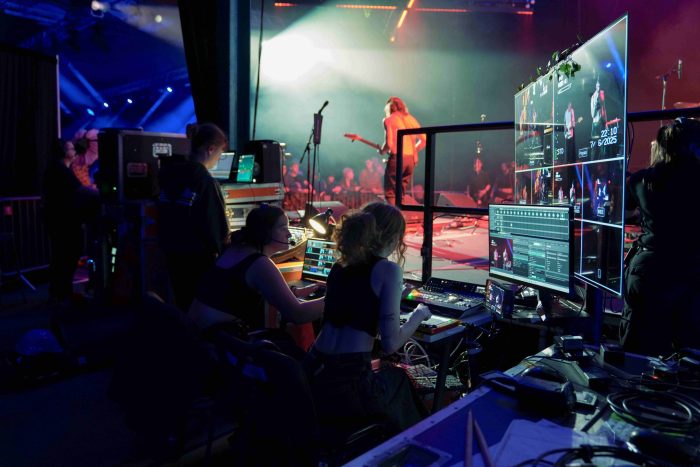
Students study alongside the production companies, touring crews, creative technologists and technical specialists behind some of the world’s largest live shows, broadcasts and entertainment experiences, combining degree-level study with direct exposure to professional workflows, technologies and production culture.
Rachel Nicholson, Head of Institution at the Academy of Live Technology, commented: “This is a hugely significant moment for ALT and for the model of education we’ve built over the last 15 years. Our focus has always been on delivering industry-embedded education – not simulating industry but placing students within it. Students learn alongside the professionals, productions and technologies shaping the sector in real time. Degree awarding powers for our UK provision give us the flexibility to evolve programmes more quickly in response to emerging technologies, changing production practices and the future skills needs of the global live events and entertainment industry.”
The award follows a multi-year assessment process by the OfS, including scrutiny of ALT’s academic governance, quality assurance, student outcomes and institutional maturity. Founded in 2009, ALT has trained more than 1,000 graduates, with alumni now working across touring, theatre, broadcast, festivals, virtual production, esports and immersive experiences throughout the UK and internationally. Graduates have contributed to productions and projects including Eurovision, The Mandalorian, Barbie, and global tours for artists including Jennifer Lopez, Jason Derulo and Olivia Dean.
ALT expanded internationally in 2023 with the launch of ALT at Rock Lititz, extending its industry-connected training model into one of the world’s leading campuses for live event production and rehearsal. While the new degree awarding powers apply specifically to ALT’s UK provision, the development strengthens the institution’s long-term international ambitions and future opportunities for global collaboration and accreditation.
Ben Brooks, Managing Director at TAIT UK, said: “ALT graduates consistently demonstrate a strong understanding of real-world production environments. Through training alongside industry and engaging with professional practice across leading organisations in the UK and internationally, they develop a level of readiness that is increasingly important to employers. Degree awarding powers reinforce the strength of this model and support the continued development of graduates who meet the evolving standards of the live events and creative industries”.
The move will allow ALT to respond more quickly to developments in areas including immersive technologies, live visuals, automation, technical design and virtual production, helping maintain close alignment between education and professional practice in a fast-moving global industry.
ALT also recognises the role of its industry partners across live events, production, broadcast and entertainment in supporting ALT’s development, providing opportunities, mentorship and professional experience for students throughout its journey to degree awarding powers.
Industry collaboration has been central to ALT’s model since its foundation and remains fundamental to the institution’s future development, ensuring programmes continue to reflect the realities, technologies and evolving demands of the global production industry.

