
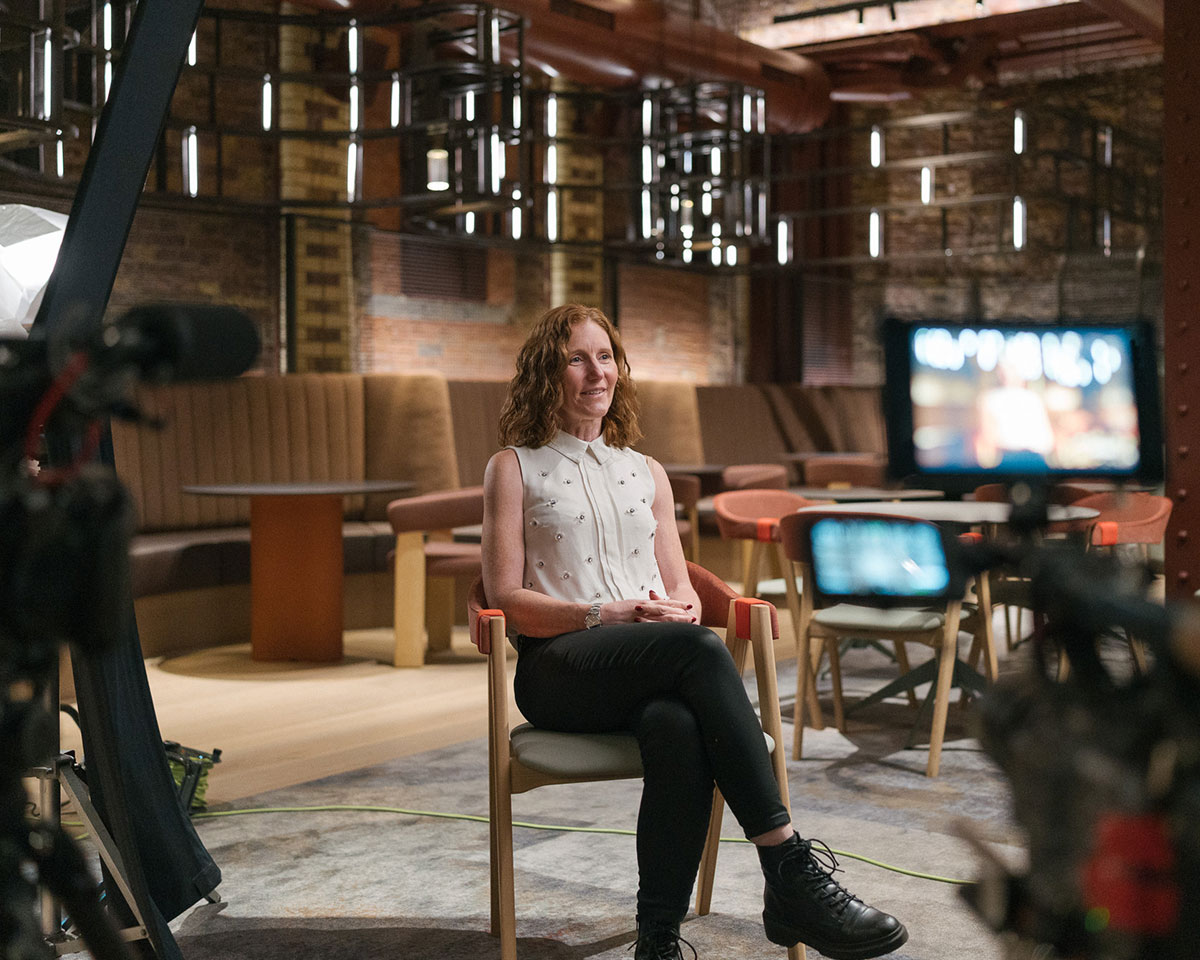
At what point did balancing career and parenting become a conversation you felt the industry needed to have more openly?
“For many years juggling parenting and managing a high workload was something I accepted as normal. I was in events before I was a parent; I accepted it as a way of life. I knew parenting would be hard and I knew working in events was demanding, but it wasn’t until I became a single parent in 2017 that I understood how difficult managing the professional and parenting workloads would be – not just in terms of time, tiredness and managing expectations, but also the parenting guilt that comes with it. It’s only now that it’s becoming more of an open conversation across the sector as the focus seems to be switching to greater wellness and work-life balance, which is a welcome change.”
What has your experience been of balancing career and parenting responsibilities?
“I was brought up in the ‘have it all’ generation; we were told you could be a parent and run a business or hold a top job – and we believed it. The reality is that no one person can do it all – ultimately, either your work or your children miss out. When you make time for work and for family, it’s unlikely there is any time left for yourself. Events are often rigid in when and where they happen, which means I’ve missed parent’s evenings, birthday parties, and many of my children’s achievements. I’ve been fortunate that my children spend 50% of the time with their dad, who also works in a flexible way, but in a different industry.
“We learned to be adaptable; my kids have travelled with me – we all moved to Saudi Arabia to live and work there for a time. They’re used to spending time on festival sites and in venues. My daughter’s birthday falls during the week of the Teenage Cancer Trust every year – a show I have worked on since 2002. She was born in 2009, so she’s had many birthday parties at the Royal Albert Hall!”
“I also have some great clients who have been understanding, like David and Laura Farrow at DMF Music. My kids have been to Beautiful Days, a family music festival in Devon, almost every year since they were born. I used to take my oldest son to work with me if childcare fell through when I worked for Harvey Goldsmith at his office in London. I’ll never forget that one day when I finished a call I found him aged about 18 months, drawing on the boardroom wall with a banana! Harvey didn’t bat an eyelid and I’m so grateful for his support at that time.”
You recently spoke on a panel about parenting in events. What struck you most about the response to that?
“The one thing that struck me was the feeling that we are still not completely open about our parenting commitments. The overriding feeling was that we minimise the discussion of the need to take time out of the working day. I have been guilty of that in the past, concerned it to be a sign that my parenting commitments might supersede my commitment to the project. With so many different family structures, it seems surprising that parents hold back on the demands on us when so many of us are going through the same thing. Another key theme was the unsung heroes behind the scenes supporting each other to make sure all commitments are met. Partners, friends and extended family helping with pick-up, dinner time, and after-school activities so no one misses out.”
How has your experience shaped Ginger Owl Productions’ working practices?
“We recognise the demands in time that we place on our teams and the sacrifices that can be required. My business partner, Julie, is also a parent, and we agree that family commitments are a priority. One of the best things about having a business with two directors is that we can step in for each other when required. We place emphasis on wellbeing and aim to be flexible, offering as much support as possible with flexible working. We operate an open management policy; our team can manage their workloads as they need so they can meet their commitments. We encourage them to put family first; we give them the time they need if we can meet deadlines and deliver projects around it.”
Since launching GOAllAreas, what changes have you seen in how organisers approach accreditation and access management?
“Technology has advanced so much and the capabilities are growing and changing rapidly. In terms of accreditation and access management we are seeing huge growth in this area as event producers see the need for greater support in this function. The biggest benefit to using an advanced piece of technology like GOAllAreas isn’t the reduced admin, the real advantage is the data. Analysis of that data generates cost savings and helps deliver sustainability targets. It gives detailed, real-time insight allowing producers to drill down into things like catering numbers and food wastage.”
What gives you optimism about the future of the industry?
“With the emergence of new technology, we are seeing the introduction of new, bolder, grander event types and customer experiences along with the development of innovative entertainment products. There are emerging markets and new global events; big ideas are becoming reality. We’re developing young talent who are bringing youth and creativity to the sector and will be the leaders of the future. For working parents, I hope that the focus on wellbeing means they can prioritise their family commitments. I hope the sector continues to move towards becoming a collaborative, flexible environment where people can excel at work and in their family lives as parents and family members.”

