
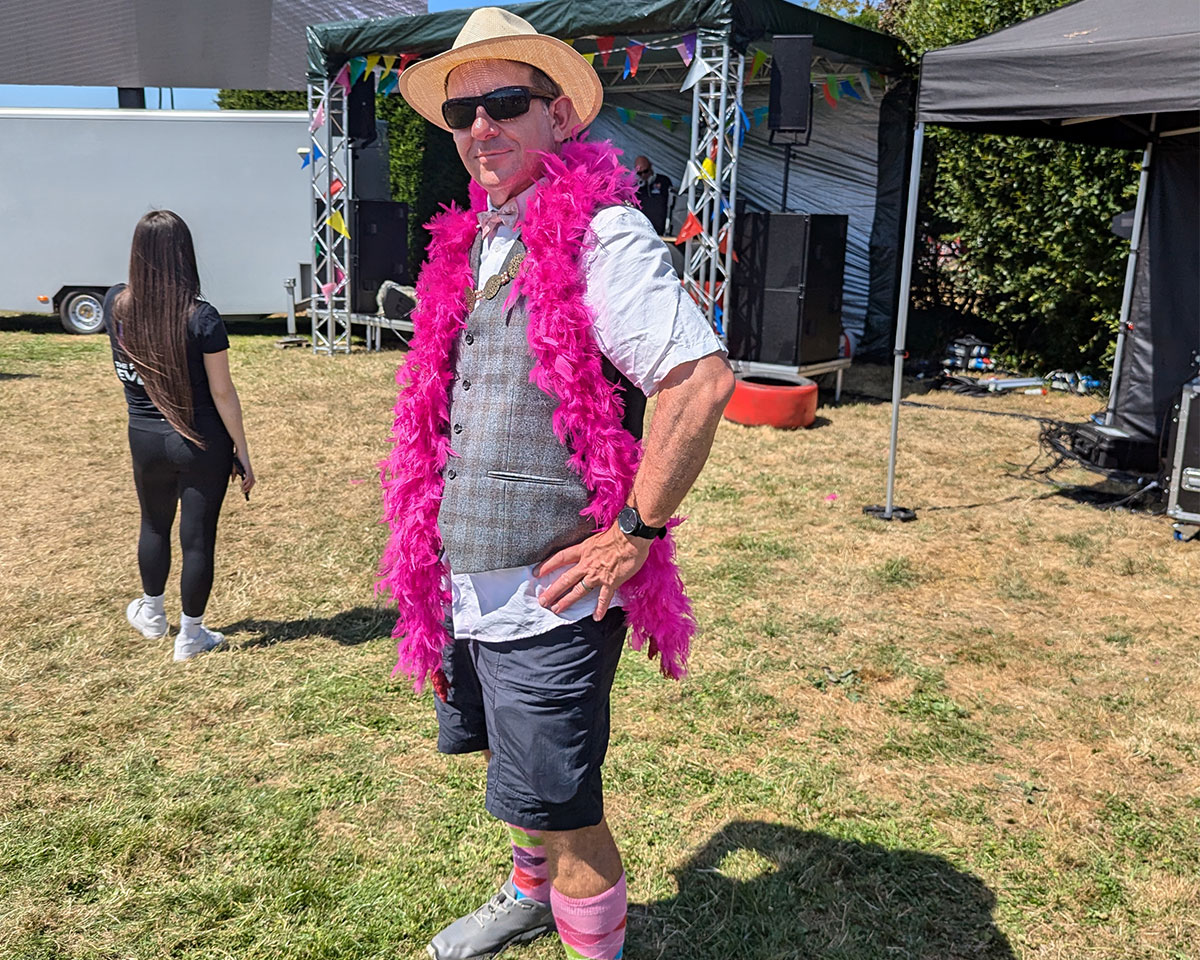
How does feel to step into Piers Shepperd’s shoes as Chair of Backup Tech?
“Succeeding Piers Shepperd is a privilege. He took on the role after the passing of John Simpson, who had been such a driving force for Backup, personally dedicating so much time to every applicant, trustee, and aspect of the charity. What Piers quickly saw was that John had carried much of this work himself, and while it was done with huge care, it was a manual process which worked well for John because he had the available time, but not so well for others who were balancing work alongside the charity. As Chair, Piers worked tirelessly to change that, building the infrastructure and processes that now mean applications can be handled far more efficiently, which has been timely as the application rate for grants has increased significantly. Equally important was the way he kept the charity true to its purpose – Backup Tech has always been about removing stress and pressure from people in the industry when life takes an unexpected turn. We’re not professional practitioners, but what we can do is offer fast, dignified, practical support, whether that’s financial help, education, or access to mental health resources.”
What does this role entail?
“Taking on the Chair is about borrowing the role for a time and making sure the industry’s charity stays strong, relevant, and ready. The trustees, who are brilliant, are each focussed on key support areas and, together with our ambassadors, are helping to build on the foundations of the charity. The aim is to keep Backup visible across the industry, grow and empower our partnerships and networks, and make sure the charity communicates the support available. Most of all, it’s about ensuring the right people and processes are in place so the charity can keep being there for our industry when it matters most.”
Are there any exciting new developments on the horizon?
“Industry people getting involved and creating their own fundraising activities. Recent examples are a donation from The Profile Awards, held at the ABTT Show, Jack Gomm, known on social media as ‘The Running Tech’, is fundraising through the Backup Challenge Fundraiser. On 28 March 2026, he’s running 40 miles from his childhood home in Ivinghoe Aston, Buckinghamshire to his house in Tooting. Ben Payne, Senior Director – Business Development at Harman, is also running for Backup, and has committed to completing a half marathon distance across eight days. Neg Earth Lights organised a charity plant sale, Marisa Beckman is organising a tea and chat fundraiser during the London International Horse Show this December, and lighting technician Urko Arruza completed his 220km Solidarity Walk for Mental Health in Live Entertainment along the Grand Union Canal from London to Birmingham. We’re so grateful to everyone who gets involved in fundraising for Backup, but of course we always want more companies and individuals to support.”
Why does Backup Tech’s work matter?
“On the surface, a busy year looks like success for our industry – more shows means more work. But the flip side of that is pressure: longer hours, financial uncertainty for freelancers, mental health challenges, and the risk of burnout or crisis. Backup Tech exists for exactly those moments. We’re the safety net when things go wrong, providing financial support, and assistance for counselling, and recovery services, but also investing in the industry’s resilience through training and education. In a year that is busier than ever, Backup Tech is important because the people behind the scenes need to know that if life takes an unexpected turn, we are there.”
What’s next for Backup Tech?
“The Financial Literacy workshops have proved a massive draw, and we have seen the need and want for the freelance community to be educated further around better financial planning and how they should approach the process. We’re also launching a Workplace Wellness initiative, which has been developed by newly appointed Backup Ambassador, Gemma Fletcher. Its aim is to provide some self-help tools which can be implemented in everydaywork routines to check in on their own wellbeing. Of course, we’re always there to help when things are tough, but if we can also help people help themselves by navigating the unpredictable nature and pressures of freelance work, that’s a win.”

